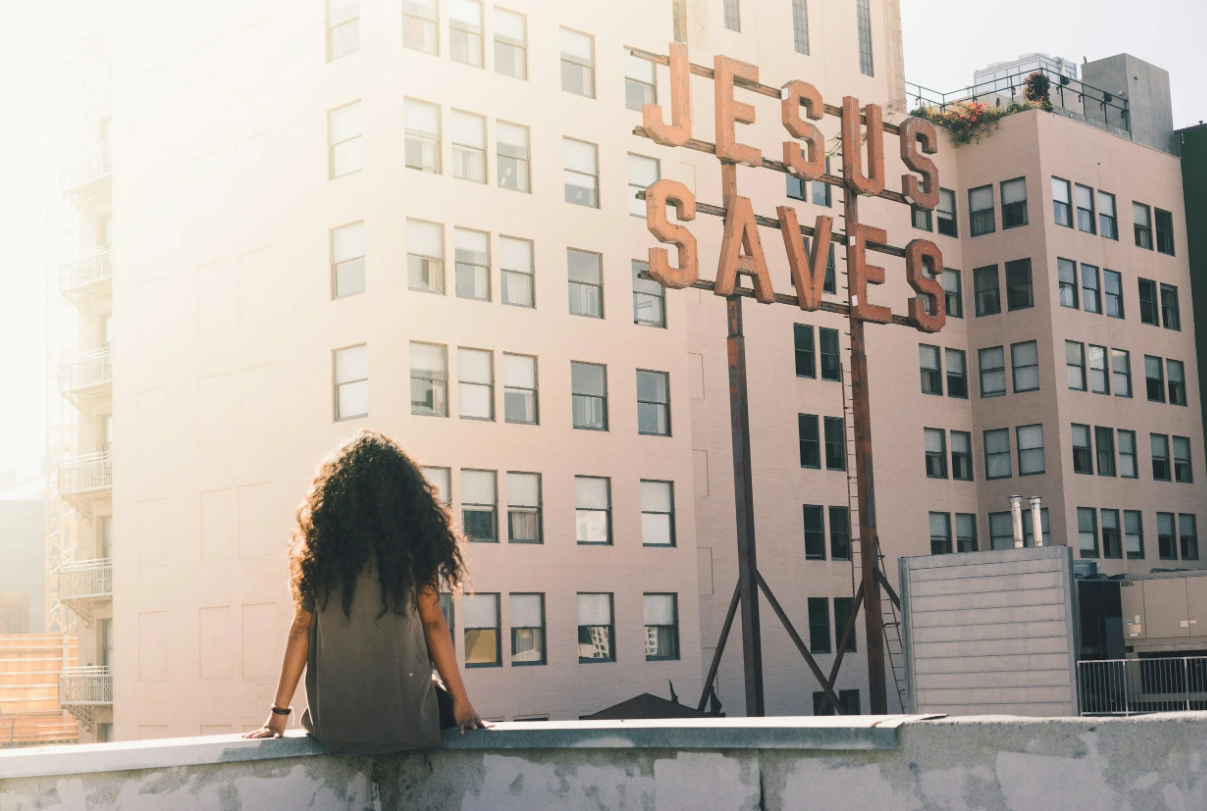
When Church Hurt Makes Faith Feel Complicated
Church hurt can leave you longing for God while feeling wary of the people and places connected to faith. Explore how boundaries, honest reflection, and art therapy can help you find a more genuine connection with God and others.
Finding a genuine connection with God and others while honoring your boundaries
You may still long for God and feel yourself tense when someone invites you to church. You may miss community and feel unsure whom you can trust there. Both experiences can be present at once.
In my work as a therapist, I meet women who want a faith that feels honest, but who have also been hurt in places where they hoped to find care. Some were pressured to forgive before anyone listened to what happened. Some learned that asking questions or setting boundaries might cost them belonging. The loss can affect their relationship with other people and the way they imagine their relationship with God.
If this sounds familiar, you deserve room to name the hurt before deciding what comes next.
When familiar things bring up painful feelings
A worship song, a passage of Scripture, or a message from someone at church may bring up grief, anger, tension, or a wish to pull away. You may wonder why something that once comforted you now feels difficult. You might also feel guilty for having that reaction.
We can be curious about what the reaction is telling you. What happened around those words or people? What does a part of you fear might happen again? What would help you feel able to choose, rather than feel pushed into a response?
Church hurt can mean different things to different people. You do not need to choose a particular label for your experience before taking it seriously.
Boundaries can make room for honesty
A boundary might look like declining a conversation with someone who has not listened, sharing less of your personal life, taking a break from a setting that feels overwhelming, or choosing one trusted person to talk with. It might change as you learn what supports you.
Setting a boundary does not tell the whole story of your faith. It gives you room to notice what you need and what kind of connection you can enter freely. You can take time to consider which relationships invite honesty, respect your limits, and allow questions without rushing you toward an answer.
What feels meaningful and true to you now?
After church hurt, it can be hard to separate what you believe about God from what you were told you had to do to be accepted. This takes gentle reflection. You might ask yourself:
When have I felt able to be honest with God, including about anger or disappointment?
Which messages about faith have brought care and clarity? Which have left me afraid or ashamed?
What practices help me feel connected right now, even in a small way?
What would trustworthy connection with other people look like for me?
There is no required order to these questions. For one person, prayer may feel possible while church attendance does not. Another may need to put familiar spiritual practices aside for a while and begin with rest, conversation, or a walk. You can notice what feels genuine without forcing yourself back into an old rhythm.
A gentle way to explore this through art
If words feel hard to find, you could use color or simple shapes to show what faith has felt like in places of hurt and what you hope your relationship with God might feel like now. Notice the space between those images. Is there a boundary you want to draw? Is there a feeling or question that needs more room?
You do not have to interpret the image or make it beautiful. Let it help you notice what matters. If the exercise feels too intense, you can set it aside and return to something grounding. These are experiences you can also explore with support in therapy.
Trust with others can grow through experience
Reconnecting with people may begin with one relationship where your questions are heard and your boundaries are respected. Trust can grow as you see how someone responds over time, especially when you disagree, need space, or say no. You can explore what kind of community you want while honoring the pace that feels right for you.
In therapy, we can make room for the part of you that longs for connection and the part that is trying to protect you from being hurt again. Through conversation, art, body awareness, and IFS-informed parts work, we can get curious about what each part needs. If you want Christian faith to be part of our sessions, we can include prayer or Scripture reflection at your request. Your questions, boundaries, and goals guide that choice.
If you are a woman living in California and would like support exploring church hurt, faith, and relationships, I offer online trauma-informed art therapy. Request a free 20-minute consultation to talk about what you are looking for and whether working together feels like a good fit.